
Learning Analytics at Texas A&M

At Texas A&M, learning analytics extends beyond quantitative algorithms or statistical modeling. It encompasses a comprehensive, evidence-based approach aimed at improving instructional design, teaching practices, and student outcomes. By providing actionable insights from course and curriculum data, teaching and learning staff are empowered to optimize digital learning environments, ultimately improving educational outcomes.

Optimize Your Teaching Experience and Learning Outcomes
Real-Time Analytics
Transform Canvas data into interactive reports for instant insights.

Proactive Course Design
Use predictive analytics to refine teaching methods and personalize learning experiences.
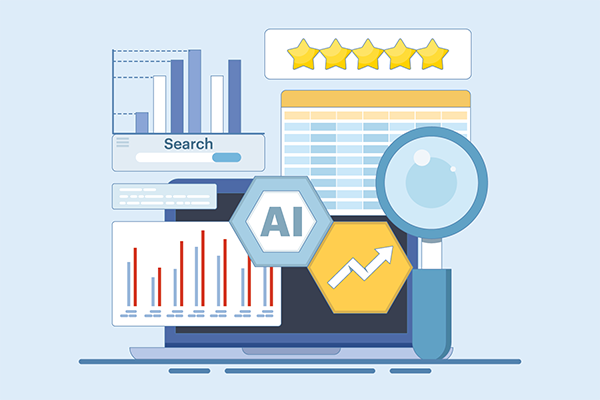
AI-Powered Understanding
Leverage machine learning to uncover key factors affecting student performance, engagement, and satisfaction.
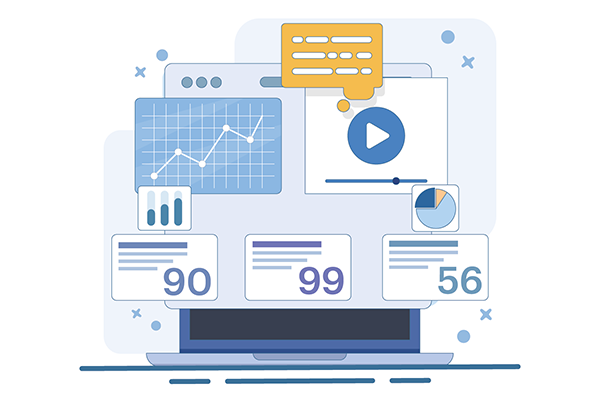
Comprehensive Dashboards
Gain a clear view of student activity, submissions, grades, and participation trends.
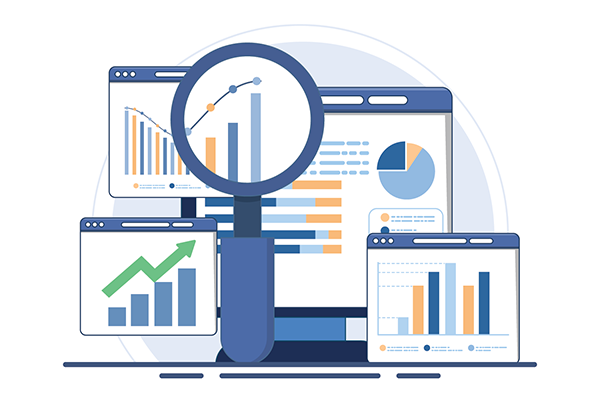
Actionable Insights
Discover meaningful patterns through advanced analytics to optimize learning outcomes.

Collaborative Expertise
Work with a dedicated team as a single contact center for all your teaching needs.
Work With Us
Whether you're looking to enhance student engagement, refine teaching strategies, or gain deeper insights from learning data, we are here to support you!
Projects
These learning analytics projects offer a snapshot of available data-driven insights. Requests can be made for these topics or customized analyses to fit specific needs and support teaching and student success.
Course Dashboard
- Course publish status
- Course Enrollment Trends Over Time
- Course Content Visualization
- LTI Usage
- Social Network Analysis
- Course Content Utilization and Insights
Student Reports
- Student Engagement
- Student Grade Distribution Dashboard
- Student Activity Summary
Predictive Analytics and Pattern Discovery:
- Student Grade Forecasting
- At-Risk Student Prediction
- Predicting Course Satisfaction & Key Influencing Factors
- Learner Profiling
- Course Discussion Sentiment Analysis
Data Policies and Principles
Texas A&M University follows established data policies and principles to ensure responsible data management, security, and compliance. Below are key categories guiding data governance in our work:
Data Policies and Principles
- Data Classification (DC-1) – Defines data sensitivity levels to ensure proper handling and protection.
- Data Inventory (DC-2) – Maintains a comprehensive record of data assets for accountability and oversight.
- Data Ownership (DC-3) – Establishes responsibility for data stewardship and access control.
- Data Protection (DC-4) – Implements safeguards to prevent unauthorized access, loss, or misuse.
- Data Quality (DC-5) – Ensures accuracy, consistency, and reliability of institutional data.
- Data Retention and Disposal (DC-6) – Defines policies for securely storing and disposing of data in compliance with regulations.
For more details, visit the TAMU IT Controls Catalog.
Frequently Asked Questions
What type of data can be accessed?
What if I need additional data or insights?
What services do you provide?
What approvals/authorizations do I require?
Meet the Team
- Dr. Justin T. Dellinger
- Minh Dao Nguyen
- Dorian Satuluri
- Jobin Varughese
- Dr. Seung Won Yoon
Partners
- Office of the Provost
- Technology Services
- Office of the Registrar